The Best Gaming Chairs in 2026 (and the Desk Upgrade Nobody Regrets)
Some links in this guide are affiliate links - we may earn a commission at no extra cost to you.
You sit in this thing for more hours than you sleep in your bed some weeks, which is the entire argument for spending real money on seating. It is also the argument for spending it carefully, because half of what a gaming chair sells you is racing-car styling that does nothing for your back. The bucket seat, the flared "wings," the go-fast stitching - none of it holds your spine any better than a plain chair does. What actually earns its keep over an eight-hour session is a small, boring list: lumbar support you can adjust to your own curve, armrests that move in enough directions to take the load off your shoulders, foam that keeps its shape instead of pancaking in a season, and a frame rated to handle your weight without creaking.
The other thing worth saying out loud, since most chair guides won't: a genuinely good ergonomic office chair often beats a gaming chair at the same price. Mesh breathes where PU leather traps heat, and the office-furniture brands have decades of posture engineering that the gaming names are still catching up to. Gaming chairs win on recline range, looks, and value in the mid-tier - but if your priority is your back over eight-hour days, the honest answer might be a mesh office chair, not a racing seat. Below are the three chairs that hold up, sorted by what they actually do for you, plus the desk that quietly matters more than any of them.
How we test and rank: we judge chairs over full work-and-play days, not showroom minutes - lumbar support and armrest adjustability over hours, foam that holds up over months, materials weighed against your climate, and the ergonomics that matter priced against the racing styling that does not. Picks get a price and availability pass every quarter, and discontinued models get swapped out.
The short version
You sit in this thing more hours than you sleep some weeks, so spend the money where it works. For most people that means the Corsair TC100 Relaxed at around $250: reviewers keep placing it directly under the $580 flagships, and it skips the exotic materials, not the ergonomics. Spend up only if the chair is a daily six-hour tool and you want the benchmark, the Secretlab Titan Evo. And the sleeper upgrade of the whole category is a Flexispot electric standing desk, because a wrong desk height is why your wrists and neck hurt, not your chair.
Best value: Corsair TC100 Relaxed
This is the chair I point most people to, and the reason is simple: reviewers keep placing it directly under the $580 flagships at roughly half the price. The "Relaxed" version gets a wider, flatter seat than the sport variant, which suits most body types better for long sitting rather than pinning you into a narrow bucket. You get proper recline and tilt, plus adjustable lumbar and armrests - the two things that genuinely save your back and shoulders hour after hour. It is leatherette rather than mesh, so it looks the part and wipes clean, but it will run warm if you live somewhere hot or tend to overheat.
Where the money clearly went is the frame and foam. Build quality is the part that surprises people at this price: it survives years of daily use instead of sagging within a season, which is exactly where the $100 chairs fall down. If you want a chair that fits most people, holds up, and lets you stop thinking about chairs entirely for $250, this is where the money should land.
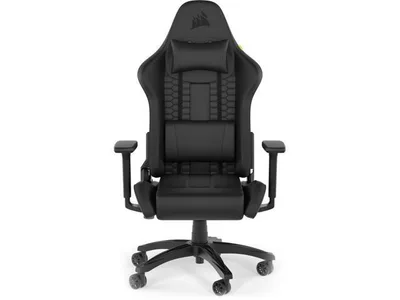
The value pick of the category: the ergonomics that matter at half the price of the flagships, in a wider seat that fits most people.
The catch: The lumbar is a basic pillow rather than an adjustable system and you skip the exotic materials - neither of which most people notice at $250.
The benchmark: Secretlab Titan Evo
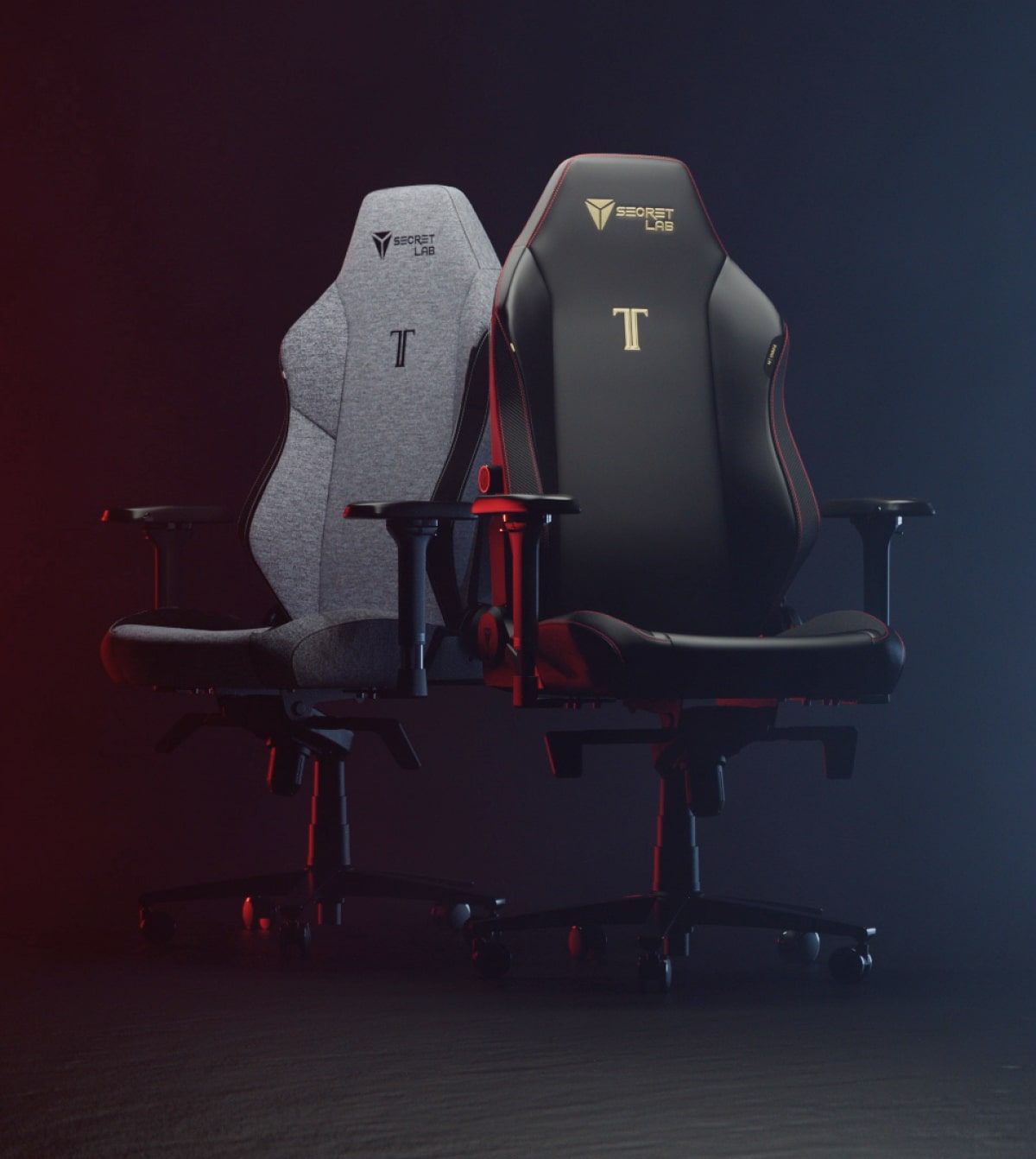
This is the chair every other gaming chair gets compared to, and the comparison keeps ending the same way. It is the one worth paying up for if the chair is a daily six-hour tool rather than an occasional seat, and if you want a seat that fits your body rather than the average. Three sizes (Small, Regular, XL) mean you can actually match it to your height and weight, which matters far more than most buyers realize - a chair sized wrong for you will hurt no matter what it cost. The magnetic lumbar system is genuinely useful and adjusts to your own curve, and the firm cold-cure foam holds its shape for years instead of flattening.
The catch is real money and a firmness that divides people: the foam is supportive rather than plush, and some sitters love it while others want more give. Sit in one if you can before committing. It is leatherette, so the same climate caveat as the TC100 applies, but the 5-year warranty backs the whole thing, which is rare in this category. If $550 stings, the newer Titan Evo Lite trims features to hit a lower price while keeping the core of what makes the Evo good.
The reference every rival gets measured against: three sizes, adjustable magnetic lumbar, foam that lasts, and a 5-year warranty - worth it if the chair is a daily tool.
The catch: It is $550, and the firm cold-cure foam divides people - sit in one if you can before committing.
Best budget: Homall Racing-Style
If your budget is $100 and no amount of arguing will move it, this is the one to buy, and it is honest about what it is. It has been the best-selling gaming chair on the planet for years running for a reason: it delivers the racing look, a reclining back, and tolerable long-session comfort at a price where most of the competition ships glorified folding chairs. As a first chair, a kid's chair, or a second-room seat you sit in a few hours at a time, it does the job without pretending to be more than it is.
The honest limits are the foam and the adjustability. The padding is firm and flat, so it is fine for a few hours but not the seat you want for a marathon workday, and the adjustment is basic - recline and armrest height, not much else. That is exactly where the low price shows, and it is a fair trade at $100. One tip worth following: buy it on Amazon, because marketplace listings elsewhere tend to run inflated for the exact same seat.
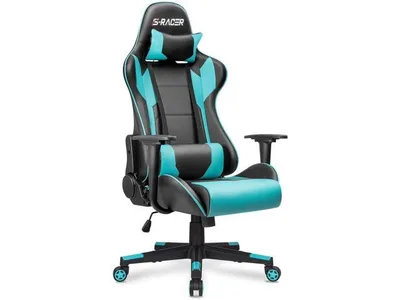
The world's best-seller for a reason: the racing look and a reclining back at a price where rivals ship folding chairs. Honest about being a starter seat.
The catch: The foam is firm and flat and the adjustability is simple - that is where the low price shows.
The sleeper upgrade: Flexispot electric standing desk
This is the upgrade almost nobody mentions, and it fixes more back and wrist pain than any chair on this page. Most desks are a fixed 29 to 30 inches tall, which is too high for correct typing posture for most people, and a wrong desk height is a big part of why your wrists and neck ache no matter how good your chair is. An electric height-adjustable desk fixes your seated ergonomics first - drop it until your elbows sit at roughly 90 degrees - and the standing option is a genuine bonus for the work-from-home hours around your gaming, since alternating sitting and standing is what your back actually wants.
In use the motors are smooth, the memory presets snap between your saved sitting and standing heights, and the 48 by 30 top fits a full battlestation. The one honest tradeoff is rigidity: the lighter frame can wobble a little when it is fully loaded and raised to standing height, which is the compromise for the price. Pair it with the monitor arm from our accessories guide and you have the complete posture fix, not just a nicer seat.
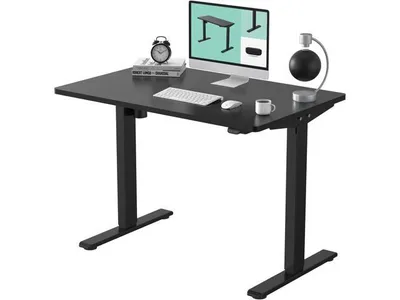
The sleeper fix for the whole ergonomic triangle: dial your desk to the right height for sitting, then stand for the work hours around your games.
The catch: The lighter frame can wobble a little when fully loaded and raised to standing height.
How to choose (and what to skip)
Fit beats features. Chairs come in sizes now, and a chair wrong for your height and weight will hurt no matter the price. Secretlab offers three sizes for exactly this reason. Check the size chart before you look at anything else.
Adjustable lumbar and multi-way armrests are the only two features worth paying up for. The lumbar keeps your spine neutral hour after hour; armrests that move in height and angle are what save your shoulders and wrists. Everything else on the spec sheet is secondary.
Skip the racing hype. RGB lighting, built-in speakers, footrests, and the aggressive bucket-seat "wings" are what a chair sells when it has nothing ergonomic left to sell. A flatter, wider seat suits most bodies better than a narrow race bucket, and none of the go-fast styling does a thing for your back.
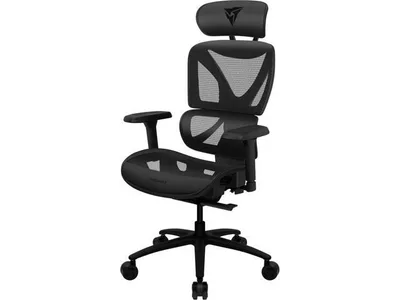
Mesh versus leatherette is climate, not quality. Leatherette (the TC100 and Titan Evo) looks the part and wipes clean; mesh breathes dramatically better if you run hot or live somewhere warm. Enthusiast mesh options like the ThunderX3 XTC sit in the same price band as the Titan Evo.
When an office chair wins. If your priority is posture over eight-hour days rather than recline range and looks, a quality mesh ergonomic office chair usually beats a gaming chair at the same money - that is the honest call, and it is why some enthusiasts switch. If that is you, our office chair guide is the better starting point.
Remember the chair is one third of the triangle. Desk height and monitor height are the other two, which is why the standing desk above and a monitor arm belong in this conversation. A $550 chair at a wrong-height desk still gives you the neck ache.
More options worth a scroll
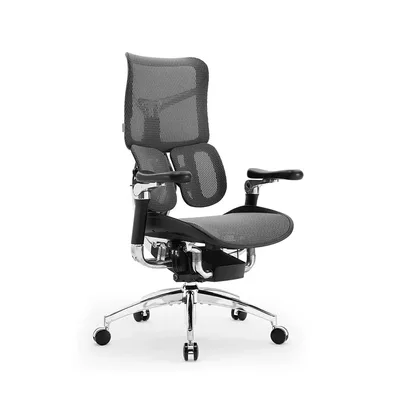
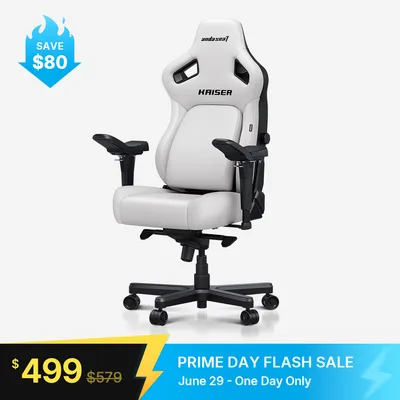
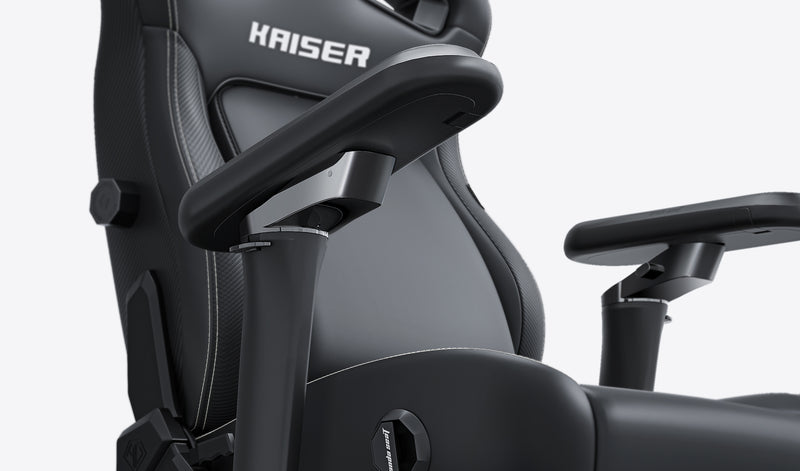
A few more seats worth sitting on before you commit - the mesh crossover, the decontented benchmark, the big-and-tall pick, and a breathable gaming shape:
The bottom line
A chair upgrade is the rare purchase that improves every hour at the PC, whether your games run at 60fps or 240. If we had to boil the whole page down: most people should buy the Corsair TC100 Relaxed at ~$250 and stop thinking about chairs; spend up to the Secretlab Titan Evo only if it is a daily six-hour tool and you want the benchmark; and if $100 is the ceiling, the Homall does the job honestly. But do not let the seat take all the blame - dial in your desk and monitor height too, because a wrong-height desk hurts your wrists and neck more than any chair fixes. And if it is the frame rate ruining your sessions rather than your back, that is a different fix entirely: check where the bottleneck is before you decide which upgrade your setup actually needs.
Related reading
- The best ergonomic setups for 2026 - chair, desk, mat, and monitor arm matched at three budgets in one order
- The best office chairs for 2026 - the mesh-and-posture route when your back beats the racing look
- The best gaming desks for 2026 - where the desk-height question continues
- The best chair mats for 2026 - protecting the floor under whatever you pick
- The best gaming setup accessories for 2026 - the monitor arm that finishes the ergonomic triangle
Found this useful? Pass it along:
Frequently Asked Questions
What is the best gaming chair in 2026?
The Secretlab Titan Evo remains the best overall gaming chair - the build quality, adjustability, and magnetic lumbar system justify its reputation. For most budgets, the Corsair TC100 Relaxed at around $250 delivers the comfort that matters and sits directly below the Titan Evo in most reviewers' tier lists.
Are expensive gaming chairs actually worth it?
Up to a point. The jump from a $100 no-name chair to a $250 quality one is enormous - real foam, real adjustability, parts that survive years. The jump from $250 to $550 buys better materials, warranty, and refinement. Past that, ergonomic office chairs (Herman Miller, Steelcase) compete for the same money.
Gaming chair vs office chair - which is better for long sessions?
A quality mesh office chair is objectively better for posture over 8-hour days, which is why some enthusiasts switch. Gaming chairs win on recline range, aesthetics, and price at the mid-tier. The real answer: whichever chair fits your body and gets adjusted properly - and taking breaks matters more than the brand.
Is a standing desk worth it for gaming?
Not for gaming itself - almost nobody games standing. It is worth it for everything around gaming: alternating sitting and standing during work-from-home hours is what your back wants, and electric height adjustment also means dialing your desk to the exact ergonomic height for play.
How tall should my desk and monitor be?
Elbows at roughly 90 degrees when your hands rest on the keyboard, and the top third of the monitor at eye level. Most fixed desks are too tall for most people - which is why height-adjustable desks and monitor arms show up in every serious setup guide.