Thinking About Ditching PlayStation for PC? Here's Everything You Need to Know
Some links in this guide are affiliate links - we may earn a commission at no extra cost to you.
For thirty years a PlayStation was a simple promise: buy the box, buy the disc, put the disc on a shelf, and it was yours to keep, lend, or sell. On July 1, 2026, Sony ended that promise in an official PlayStation Blog post: physical disc production for new games stops in January 2028, and everything after that lives on your PSN account at whatever price the store decides, for as long as Sony keeps the servers running. Sony's own disclosure shows why it felt safe saying so - physical had fallen to roughly 3% of PlayStation software sales over the past year. The disc did not get killed so much as outvoted, which is worth remembering before blaming Sony alone: the shelf lost the argument with buyers first. Coming from a company that quietly pulled 550-plus movies people had already paid for earlier this same year, "trust us with your entire future library" is a hard sell.
So a lot of longtime console players are doing something they never seriously considered: looking hard at PC. And the honest framing matters here. If your games are going digital either way, the question stops being console-versus-PC and becomes which digital platform treats you better. This guide is the honest answer, tradeoffs and all - what you genuinely gain, the one thing you actually give up, what the jump costs in a brutal 2026 hardware market, and the exact starter build that matches a PS5 when you decide to make the move.
The short version
Sony is going digital only in 2028, and after the year they have had, I do not blame anyone for planning an exit. The honest news up front: a PC that matches or beats a PS5 runs about $1,100 in parts. That used to be double the console; after the spring price hikes put the PS5 at $649 and the Series S at $500, it is roughly $450 more - the smallest premium in the console generation - and the gap still reverses over a few years of free online play and cheaper games. The single part doing the PS5's actual job is the graphics card, and the AMD Radeon RX 7600 comes from the same RDNA family as the console's own chip. Pair it with the Ryzen 5 5600X, a CPU that outright beats the one in your PS5, and your DualSense pairs over Bluetooth like it never left home. The full parts list, every part explained in console terms, is below.
August update: the warning label era
The July announcement was abstract. August made it physical. New PS5 boxes now carry an "important notice" sticker telling buyers, on the shelf, that new games go digital-only in January 2028 - TechRadar has the label text, and PlayStation Direct now shows the same disclosure at checkout. There is something clarifying about a warning label: the console you are buying today comes with an expiry date printed on the box for the library model it was sold on.
The audience noticed. Push Square polled its readers - these are the people who preorder collector's editions, not casuals - and of more than 6,500 votes, 45% said they are "seriously considering" leaving for PC. Another 15% said they had already gone, 10% play both, and just 23% are staying put. However you weight an enthusiast poll, when nearly half of a PlayStation fan site's own readership is eyeing the exit, the "switching to PC" wave stopped being a meme and became a migration. The rest of this guide is for exactly that reader.
What's genuinely better on PC
Strip away the tribal noise and there are real, concrete reasons a console lifer ends up happy on PC, most of them financial.
The biggest is that online multiplayer is free. PS Plus costs around $80 a year purely for permission to play the games you already own online, and across a console generation that is $500-plus you simply never spend on PC. Games are cheaper too, and it is not close. Steam, Epic, GOG, Fanatical, and Humble all compete for the same wallet, so sales are constant and deep, and Epic gives games away free every single week. One store setting one price, the PlayStation Store model, is the thing you are leaving behind.
The fear that switching means abandoning Sony's games is mostly outdated. Spider-Man 2, God of War Ragnarok, The Last of Us, Horizon, Ghost of Tsushima, Helldivers 2 - Sony ports its biggest hits to PC now. They arrive a year or so after the PlayStation release, but they run better on good hardware and cost far less by the time they land. And your library stops being disposable. Games from 2004 still run on a modern PC, there is no generation reset that strands your collection, and GOG sells major titles completely DRM-free, meaning the download on your drive is yours with no server required to bless it. That last part is the actual answer to the digital-ownership problem rather than a surrender to it.
Then there is the machine itself. When a PS6 arrives, a PS5 owner buys a whole new box. When a new GPU generation arrives, you swap one part and keep everything else. On top of that you get mods, emulators, twenty years of backwards compatibility, Discord, and a computer that also does every non-gaming thing a computer does. None of that is hype. It is just what the platform is.
What you give up (be honest about the exclusives)
A guide that only sells you the upside is not worth reading, so here is the real cost of admission.
You give up day-one Sony exclusives. The next big first-party PlayStation game hits PS5 first and PC a year or more later, and while most of them eventually make the trip, "eventually" is the operative word. If launch-day Naughty Dog is the whole reason you game, keep the PS5 plugged in - there is no shame in owning both. You also give up a sliver of couch simplicity. PC gaming in 2026 is dramatically more console-like than it used to be, with Steam Big Picture and controller-first interfaces, but a console still never asks you to update a graphics driver. And you give up the money upfront: the equivalent build costs roughly double a PS5 on day one. The math reverses over time, which we will get to, but the sticker on day one is the sticker.
That is the entire honest list. Three real tradeoffs, one of which (the exclusives) genuinely matters to some people and is worth sitting with before you spend a dollar.
The real cost right now, and why the memory crisis is to blame
Timing is rough, and pretending otherwise would be dishonest. 2026 has been a punishing year to buy PC parts. A memory shortage sent RAM and SSD prices climbing hard, and a supply squeeze pushed graphics cards well above their launch prices. A build that cost less in 2024 costs more today, and RAM and storage are where you feel it most.
Here is the useful part, though: the crunch hit DDR5 far harder than the older DDR4 memory, which is exactly why the starter build below leans on a mature AM4 platform instead of the newest one. It sidesteps the worst of the spike and still lands around $1,100 for genuine PS5-class performance. You are not chasing the cutting edge here, you are matching a console, and the cheap-but-proven route is the smart one while memory costs stay elevated.
The longer arithmetic still favors PC, it just takes a few years to show up:
- PS5 route (2026-2031): ~$500 console + roughly $400 in PS Plus + full-price games, all locked to one digital store after 2028.
- PC route: ~$1,100 build + $0 online fees + cheaper games across five competing stores + a mid-cycle GPU swap instead of a whole new console.
The crossover lands around year three, and everything past that is money back in your pocket. For a full side-by-side of the sticker prices and where they meet, our console prices versus building a PC breakdown runs the numbers in detail. But most people who switch are not doing it for the spreadsheet. They do it because the platform they trusted for thirty years just told them their next library exists at its pleasure.
How to make the jump: the PS5-equivalent build
A PS5 is a sealed PC. Building your own just means choosing each part yourself, and for a console-equivalent machine the choices are refreshingly boring, which keeps them cheap.
Two parts do almost all the work. The graphics card is the one actually doing the PS5's job, and it is where most of your budget rightly goes. The RX 7600 pulls from the same RDNA architecture family as the console's own chip, so you get PS5-class rendering with 8GB of memory plus FSR upscaling to stretch it into 1440p. The processor is the 5600X, six fast cores from the same company that makes the PS5's chip, except this one boosts higher and outright beats the console. Those two decide how your games look and feel. Everything else exists to support them.
The supporting cast is deliberately unexciting. The motherboard is the nervous system every part plugs into - match the socket to the CPU and it is drama-free. Storage is the PS5's celebrated trick, and a fast NVMe drive does the same job for real game loading without any theatrics; when it fills up you add another in two minutes instead of paying console-expansion prices. The power supply is the one part where cheaping out punishes everything else, so you buy a quality Gold-rated unit once and never think about it again, with headroom for your first GPU upgrade built in. RAM is 32GB, double what a PS5 has and the 2026 sweet spot. A mesh case and an optional tower cooler round it out, because airflow matters more than glass.
As for the assembly everyone is nervous about: it is closer to expensive LEGO than engineering. The CPU drops into the socket one way, marked by a single corner. The cooler sits on top, the RAM clicks in, the board screws into the case, the GPU clicks into the big slot, and the power cables only fit their matching plugs. A first build is a careful afternoon with a YouTube video on a second screen, and millions of first-timers do it every year. Then you install Windows from a USB stick, install Steam, sign in, and pair your DualSense over Bluetooth. If you would rather skip the parts research entirely, our build generator assembles a complete list for any budget with prices that update daily, the PSU calculator sizes the power supply in a minute, and the bottleneck checker confirms any CPU and GPU combo is balanced before you buy.
Here is the exact parts list, every part explained in console terms.
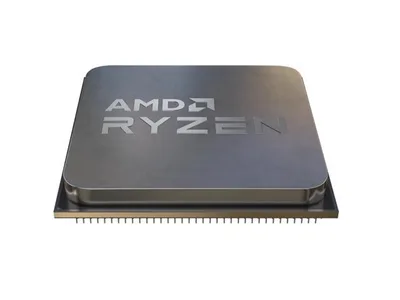
This is the chip I would put in a PS5-equivalent build without a second thought. Six fast cores from the same company that makes the PS5's own processor, except this one boosts higher and costs about what two new PlayStation games do. It is the proven budget king of gaming CPUs, and it still ships with a usable stock cooler in the box, so that is one less thing to buy on day one.
The AM4 platform underneath it is mature rather than cutting-edge, which is exactly why it is this cheap. For matching a console you are leaving behind, I count that as a feature, not a compromise - you are paying for gaming performance, not bragging rights.
The catch: AM4 is a mature platform, not the cutting edge - which is the whole reason it costs this little.
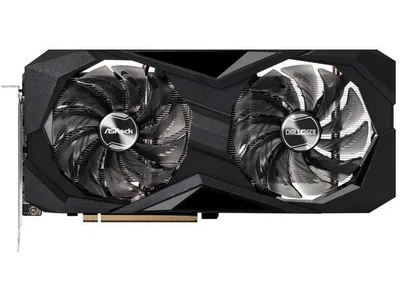
This is the part doing the PS5's actual job, and it is where most of your budget rightly goes. The RX 7600 pulls from the same RDNA architecture family as the console itself, so you get PS5-class rasterization with 8GB of GDDR6, plus FSR upscaling that stretches it comfortably into 1440p.
The real difference is what happens in three years. When a PS5 owner wants more performance, they buy a whole new box. You pull this one card out and drop in a newer one for the price of a single part. That upgradeability is the entire argument for a PC over a console, and it lives right here in this slot.
The catch: 1440p leans on FSR upscaling in the heaviest games - the same trick the consoles lean on now anyway.
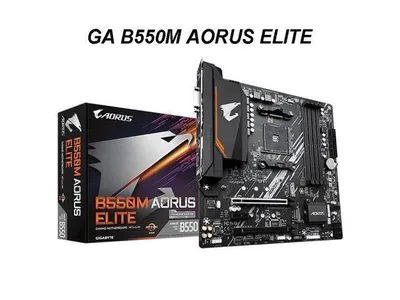
The board that hosts the 5600X, and honestly the least exciting purchase in the whole build - which is exactly what I want from a motherboard. Solid power delivery, an NVMe slot, and nothing you pay for that you will not use.
It is a drama-free AM4 standard in micro-ATX, so it drops into most cases without a fuss. The one asterisk is that the base model skips WiFi, so budget a $20 dongle or grab the WiFi variant if running an ethernet cable is not an option where your PC lives.
The catch: No WiFi on the base model - add a $20 dongle or step up to the WiFi variant if you can't run ethernet.
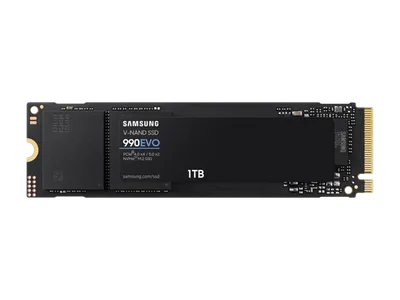
The PS5 taught everyone why a fast SSD matters, and this drive is every bit as quick for real game loading, from the most trusted name in drives. It does the same job the console's celebrated storage does, without any of the theatrics.
And when it fills up, adding a second drive costs a fraction of a console storage expansion and takes about two minutes. NAND prices are elevated across the industry right now, which is the only real knock, but storage is not a corner I would cut on a machine you want to keep for years.
The catch: NAND prices are up industry-wide right now, so it is not as cheap as it was a year ago.
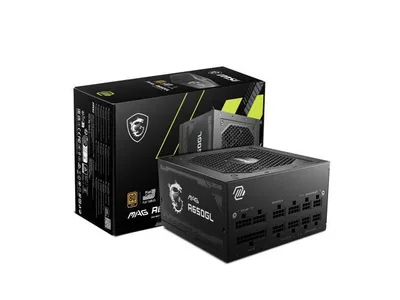
This is the one part where cheaping out punishes everything else, so I do not. Fully modular, Gold-rated, from a real brand - and this build draws far less than 650W, which means it runs quiet now and leaves headroom for your first GPU upgrade later.
Yes, it is overkill today, and that is deliberate. A good PSU is the component you buy once and never think about again, and the extra wattage is what lets you drop a hungrier graphics card in down the line without shopping for a new supply too.
The catch: It is overkill for this build today - which is the entire point of buying it.
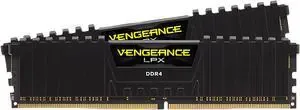
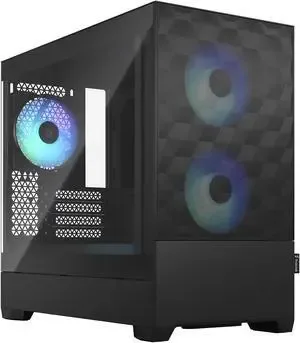
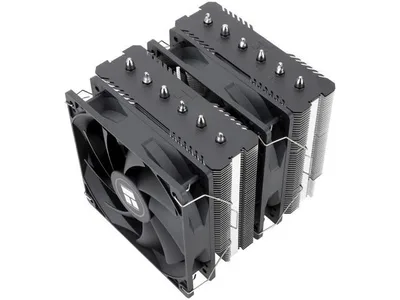
Build total: ~$1,019-1,059 (with the optional cooler). Add Windows 11 (~$25 from key resellers, or run it unactivated free with a watermark) and you are done.
Want more than PS5-equivalent? The PS5 Pro killer is our $1,500 gaming build - RX 9070-class graphics that put the Pro away at 1440p. And both tiers live on the build generator with prices that update every morning, so the numbers on this page never go stale.
Your DualSense makes the switch painless
The single thing that makes a platform change feel less like a leap is that the controller in your hands comes with you. Plug the DualSense in or pair it over Bluetooth and Steam supports it natively, and PlayStation ports like Spider-Man and God of War carry the adaptive triggers and haptics over to PC. Your controller, your muscle memory, and most of the couch feel survive the move intact. If you already own one, this is a $0 line on the build, which is a pleasant way to start a change that is otherwise about spending money.
Your TV works the same day over HDMI, so the living-room setup is ready before the PC even boots. When you want the real PC advantage on the screen side, a 1440p high-refresh monitor is the single biggest upgrade console players actually feel, and the full rankings live in our 1440p monitor guide. Headsets, mice, and keyboards each have a complete guide too when you get there. But none of that is required on day one. Your DualSense and your TV are enough.
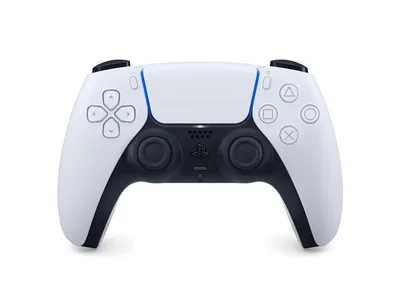
The Controller You Already Own
The part that makes the switch feel less like a leap: your controller comes with you. Plug it in or pair over Bluetooth, Steam supports the DualSense natively, and PlayStation ports like Spider-Man and God of War support its adaptive triggers and haptics on PC.
Your controller, your muscle memory, and honestly most of the console feel survive the switch intact. If you already own one, this is a $0 line on the build - which is a nice way to start a platform change that is otherwise about spending money.
The catch: Battery life is still DualSense battery life.
The bottom line
2026 is an expensive year to buy hardware, and the switch costs real money upfront. But the reason people are actually making it is not the spreadsheet. It is that PlayStation, after thirty years, just told a generation of players their next library exists at Sony's discretion. On PC, between five stores competing on price and GOG's DRM-free catalog, that power stays split in your favor, and the machine itself is yours to upgrade instead of replace.
If you are ready, start with the build generator to get a parts list at your exact budget, run any CPU and GPU combo through the bottleneck checker before you buy, and welcome to the other side. The water is fine, and nobody here can delete your library.
Related reading
- Console prices in 2026 vs building a PC - the full sticker-price and long-term-cost showdown
- Best GPU to buy in 2026 - every tier explained if you want more than PS5-equivalent
- Best handheld gaming PC in 2026 - the switch that keeps the couch, in your hands
Found this useful? Pass it along:
Frequently Asked Questions
How many PlayStation players are actually switching to PC?
More than anyone expected. A Push Square community poll of over 6,500 readers - a readership of committed PlayStation fans - found 45% 'seriously considering' a move to PC after the disc announcement, with another 15% saying they had already switched and 10% already playing on both. Only 23% said they were staying put. Sony has since started putting notice labels on PS5 boxes warning buyers that disc production ends in 2028, which is keeping the exodus conversation alive.
Is PlayStation really going digital only?
Yes, officially - Sony's July 1, 2026 PlayStation Blog post confirms physical disc production for new PlayStation games ends in January 2028, and the company disclosed that physical had fallen to about 3% of its software sales. New releases after that will be digital downloads only, tied to your PSN account. That announcement - plus Sony removing 550+ purchased movies from users' libraries this year - is why 'switching to PC' has been trending ever since.
How much does a PC equivalent to a PS5 cost?
About $1,050-1,150 in parts for a build that matches or beats PS5 performance at 1080p/1440p in 2026 - and after this spring's console price hikes pushed the PS5 to $649, that is no longer double the console - closer to $450 more, the narrowest the gap has ever been. The 2026 memory crunch on RAM and SSDs is the main reason it is not lower still. The gap closes over time: PC online multiplayer is free (PS Plus runs about $80/year), and PC game prices fall faster because Steam, Epic, GOG, and others compete for your money.
Can I play PlayStation games on PC?
A huge and growing number, yes. Sony now ports most of its biggest exclusives to Steam - Spider-Man, God of War, The Last of Us, Horizon, Ghost of Tsushima, Helldivers 2. They usually arrive a year or so after the PlayStation release, run better on good hardware, and go on sale deeper. Day-one Sony exclusives remain the one real thing you give up.
Does the PS5 DualSense controller work on PC?
Yes - plug it in or pair over Bluetooth and Steam supports it natively, including adaptive triggers and haptics in PlayStation ports. Your existing controller, and your muscle memory, come with you.
Is building a PC hard for a console gamer?
It is closer to expensive LEGO than electronics engineering. Every cable and part only fits where it belongs, modern parts are hard to install wrong, and a first build takes a careful afternoon. Millions of first-timers do it every year with a YouTube video running on a second screen.
Do you actually own your games on PC?
On Steam and Epic you own licenses, same as PSN - but with real differences: multiple competing stores, no console generation resets, 20-year-old libraries that still run, and GOG, which sells popular games fully DRM-free. What you download from GOG is yours in a way digital console purchases have never been.