The 2026 CPU Price Hike: Laptops Take the Hit, Desktop Chips Have Not Moved (Yet)
Some links in this guide are affiliate links - we may earn a commission at no extra cost to you.
The headline that went around on October 12 was "CPU Price Hike Wave: Intel Reportedly Up to 20%, Qualcomm 10%, AMD May Join." It came from TrendForce's news desk, relaying supply-chain sources quoted by Taiwan's Commercial Times, and it has been recycled all week, most recently by MoneyToday in Korea on the 23rd. If you are planning a build for the holidays, it reads like a reason to buy your processor tonight.
It is not, and the reason is in the details the headline drops.
What is actually being reported
Start with the 20%. Per the report, Intel began its third round of price adjustments since late 2025 on September 1, so this is not new this month. The 15 to 20% applies to Panther Lake models with the high-end GPU tile. Panther Lake is Intel's laptop platform, and TrendForce notes the increase does not apply to the whole lineup. The chips desktop builders buy are in the other bucket: Meteor Lake and Arrow Lake, 5 to 10%.
An earlier DigiTimes report, covered by Notebookcheck on September 8, had Intel raising PC CPU prices about 10% on October 5 without naming products. Both reports are "reportedly." Intel has confirmed none of it. The one Intel price change on record this year is July's, when it raised the recommended price of the Core Ultra 7 270K Plus from $299 to as much as $349 and the Core Ultra 5 250K Plus from $199 to as much as $229.
Qualcomm reportedly raised Snapdragon X and X2 Elite pricing about 10% from October. That only touches Windows-on-Arm laptops.
AMD is the vaguest. TrendForce says it is "reportedly preparing price adjustments for certain CPUs," and that magnitude, scope and timing remain unconfirmed. A September rumor of a 10% AMD increase that is often folded into this story was about AI accelerators, consumer GPUs and chipsets, not Ryzen.
The cause given is TSMC. The Panther Lake GPU tile is built by TSMC on a 3nm-class node while the CPU tile is on Intel's own 18A, which is why the hike is steepest on the bigger-GPU parts. The TSMC price increases these reports point to are forecasts for 2027, though, so calling the September moves a pass-through is an inference by the reporters, not something a supplier said.
What desktop CPU prices actually did
Supplier price lists and shelf prices are different things. A chip that costs a distributor 7% more in September can sit on a shelf at the old price for months, especially if it is not selling. So we checked the shelf.
We log Amazon's price for every desktop CPU in our catalog daily. This compares the median price in the first two weeks of September, when the reported hike began, with the last seven days:
| CPU | Sep 1-14 | Oct 18-24 | Change |
|---|---|---|---|
| Ryzen 7 9800X3D | $449 | $444 | -1% |
| Ryzen 7 9850X3D | $484 | $484 | 0% |
| Ryzen 7 7800X3D | $349 | $348 | 0% |
| Ryzen 7 9700X | $295 | $310 | +5% |
| Ryzen 9 9950X | $500 | $539 | +8% |
| Ryzen 5 8400F | $149 | $169 | +13% |
| Core i5-14400F | $185 | $161 | -13% |
| Core i7-14700KF | $343 | $346 | +1% |
| Core i7-12700K | $323 | $296 | -9% |
Median Amazon US price for each window, from our daily price log. Free to cite with a link.
Across every chip with a clean Amazon history in both windows, the median Intel desktop CPU (six chips) is down about 6%. The median AMD chip (fifteen) is flat, with five of the fifteen up more than 3%.
That is backwards from the headlines. The company with the reported hike got cheaper, and the company that has only "may join" is where the increases showed up. Our read is that Intel's boxed desktop chips are not selling fast enough for retailers to pass anything on. The 14th-gen parts are old, and the Arrow Lake reception was poor enough that we called its refresh dead on arrival. AMD's X3D gaming chips are the ones in demand, and they have not moved at all.
We should be upfront about the gap in this table. The Core Ultra 200S chips, the Arrow Lake desktop parts the 5 to 10% would actually apply to, do not have a clean Amazon history in our log for both windows, mostly because the listings switch between sellers. At Newegg this week the 270K Plus is about $330 and the 250KF Plus about $200, both inside the range Intel set in July. If the hike reaches desktop shelves, those are where it will show first, and this post will be updated when it does.
Where you will feel it
Laptops and prebuilts. That is where the reported increases are biggest, and they land on top of memory costs that have already pushed system prices up. Acer's chairman told MoneyToday he expects fourth-quarter PC prices up 5 to 20% depending on the product. PC shipments were already down 21% year over year in the third quarter, according to Omdia, as quoted in the same piece. If you are buying a laptop or a prebuilt this year, Black Friday is likely to be the best price you see for a while. Our Black Friday 2026 page tracks the price to beat.
Not your CPU, most likely. If you are building a desktop, the part that has actually gone up is RAM. A 32GB DDR5 kit costs several times what it did a year ago, and our RAM and SSD price post tracks it. The processor is the most stable line on the parts list right now.
If you are buying a CPU anyway
None of this is a reason to wait either. The gaming chips worth buying are at normal or good prices this week.
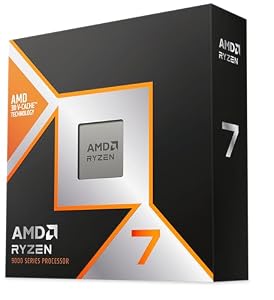
The Ryzen 7 9800X3D is the one most builds should end on. At about $444 it is close to where it has sat since September, it fell to about $415 in early August, and that is the only real dip in its history. It is still the fastest gaming CPU for the money, and the newer 9850X3D adds 3 to 4% for $40 more, which we worked through here.
The gaming CPU to buy
AMD Ryzen 7 9800X3D
Eight Zen 5 cores with 96MB of 3D V-Cache. Its price has held within a few dollars since September while the headlines talked about hikes, and it will not be the limit with any card you can buy at a sane price today.
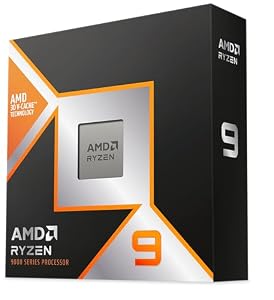
If you need cores for work and want the gaming cache too, the Ryzen 9 9950X3D hit its lowest price of the past month this week, about $624, down from about $650 in August. That is a real move on a chip that rarely moves.
Gaming plus real work
AMD Ryzen 9 9950X3D
Sixteen cores with V-Cache on one cluster, at its lowest Amazon price of the past 30 days. For gaming alone the 9800X3D is the better buy. For compiling, rendering or encoding alongside gaming, this is the one.
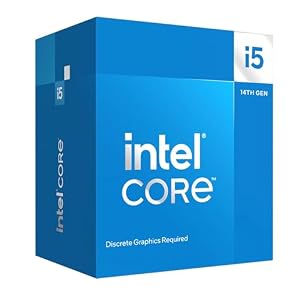
And on a budget, the biggest drop in the table is the Core i5-14400F, down 13% to about $161. It is a perfectly good gaming chip below a 5070-class card, and it runs on cheap B760 boards with the DDR4 you may already own, which matters more in 2026 than it ever has.
Budget, and it reuses DDR4
Intel Core i5-14400F
Ten cores, no integrated graphics, and a 13% price drop since September. Pairs with a B760 DDR4 board so your old memory comes along, which saves more than the CPU costs at current RAM prices.
Before you buy any of them, put the CPU and your graphics card through the bottleneck checker. At 1440p and above, most people are GPU-limited with any of these, and the cheapest one that keeps your GPU busy is the right one.
The short version
- The reports: Intel price adjustments from September 1, up to 15 to 20% on Panther Lake laptop chips with the large GPU tile, 5 to 10% on Meteor Lake and Arrow Lake. Qualcomm about 10% in October. AMD "may" adjust. All via supply-chain sources, none confirmed.
- The shelf: across our tracked Amazon prices, Intel desktop CPUs are down about 6% since early September and AMD's are flat. The X3D chips have not moved.
- Who pays: laptop and prebuilt buyers, on top of memory costs. Acer expects Q4 PC prices up 5 to 20%.
- For builders: no need to rush the CPU. The 9800X3D at ~$444 and the 14400F at ~$161 are fair or good prices today, and RAM is the part to watch.
Found this useful? Pass it along:
Frequently Asked Questions
Are CPU prices going up in 2026?
At the supplier level, reportedly yes. TrendForce, relaying Taiwanese supply-chain sources on October 12, 2026, said Intel began a third round of price adjustments on September 1: up to 15 to 20% on Panther Lake laptop chips with the larger GPU tile, and 5 to 10% on Meteor Lake and Arrow Lake. Qualcomm reportedly raised Snapdragon X pricing about 10% in October, and AMD is said to be preparing adjustments of unknown size. None of it is confirmed by the companies, and US retail prices for boxed desktop CPUs have not followed so far.
Should I buy a CPU now before prices rise?
Not because of the hike. Across the six Intel desktop chips with clean Amazon price history in our tracker, the median price fell about 6% between early September and late October, and the fifteen AMD chips were flat. Buy a desktop CPU when your build needs one. The parts that have actually gone up are memory and storage, and laptops and prebuilts are where the CPU hikes are expected to show first.
Why are laptop CPUs hit harder than desktop CPUs?
The largest reported increase is on Panther Lake models with the bigger integrated GPU, and that GPU tile is made by TSMC on its 3nm-class process while the CPU tile is on Intel 18A. TSMC wafer costs are the reason given for the hike. Laptop makers also buy chips on contract and are already absorbing higher memory prices, so the increase lands on a finished product that is getting more expensive anyway.
Is AMD raising CPU prices?
Unconfirmed. TrendForce says AMD is reportedly preparing price adjustments for certain CPUs, with the magnitude, scope and timing unknown. An earlier report of a 10% AMD increase covered AI accelerators, consumer GPUs and chipsets, not desktop CPUs. In our Amazon tracking, five of fifteen AMD desktop chips rose more than 3% since early September, led by the Ryzen 5 8400F and Ryzen 9 9950X, while the X3D gaming chips held still.