Ryzen 7 9850X3D vs 9800X3D: Is the New Gaming King Worth $20 More?
Some links in this guide are affiliate links - we may earn a commission at no extra cost to you.
Every time AMD stacks another X3D chip on top of the pile, the same question lands in our inbox: is it time to upgrade? The Ryzen 7 9850X3D arrived at CES 2026 wearing the gaming crown, and the marketing energy suggested a real generational leap. It isn't one. Under the hood it's a 9800X3D that boosts 400MHz higher, costs $20 more on paper, and turns in a few extra frames in the games that lean hard on the CPU.
That is the shape of nearly every "new gaming king" launch now. The 3D V-Cache that made these chips special is already doing the heavy lifting, so each new SKU squeezes a smaller slice of performance out of clock speed alone. The result is diminishing returns dressed up as a coronation. For the overwhelming majority of people already sitting on a strong X3D chip, the honest answer to "should I upgrade" is no - you would spend real money to feel nothing.
So the useful question isn't whether the 9850X3D is faster. It is. The question is who should actually pay for that speed, and where the 9800X3D still quietly wins on value. That's what the rest of this breakdown answers, chip by chip.
How we rank: we track street prices on 300+ CPUs and weigh real-world gaming behavior over marketing benchmarks. Our gaming scores reflect performance-per-dollar and how a chip actually feels across modern titles, not a single cherry-picked chart.
The verdict: most Ryzen 7 9800X3D owners should not upgrade to the Ryzen 7 9850X3D - the 3-4% gaming delta is not worth swapping a CPU you already own. New builders can consider the 9850X3D if the price gap does not sting, but the 9800X3D at ~$450 remains the smarter buy. Reach for the Ryzen 9 9950X3D only if you pair top-tier gaming with serious productivity work.
The spec difference, free to cite
These two chips are mechanically near-identical, and the table below is the whole story. Free to cite with a link to bottleneckpc.com.
| Ryzen 7 9800X3D | Ryzen 7 9850X3D | |
|---|---|---|
| Cores / Threads | 8 / 16 | 8 / 16 |
| Base clock | 4.7 GHz | 4.7 GHz |
| Boost clock | 5.2 GHz | 5.6 GHz (+400 MHz) |
| L2 + L3 cache | 8 + 96 MB | 8 + 96 MB |
| TDP | 120W | 120W |
| Architecture | Zen 5 | Zen 5 |
| Socket | AM5 | AM5 |
| MSRP | $479 | $499 |
The single meaningful difference is the boost clock. AMD cherry-picked silicon that clocks higher and gave it a new name. There is no architecture change, no cache change, and the 3D V-Cache stack is identical between them.
The real-world gaming delta is tiny
This is where the whole decision lives, so it's worth being blunt about the numbers. Across reviewer testing at 1440p with a top-tier GPU, the 9850X3D averages roughly 3-4% ahead of the 9800X3D. The best case lands around 6% in CPU-heavy titles like Marvel Rivals, where the extra clock actually gets exercised. In GPU-bound games the gap collapses to 1% or less, and at 4K it shrinks to about half a percent because the graphics card, not the CPU, is calling the shots.
Translate that into frames and the drama evaporates. A game running 144 FPS on the 9800X3D lands near 149-150 on the 9850X3D. A 4K title at 90 FPS becomes 90.5. That is a real improvement in the sense that a stopwatch can see it, but it is not something your eyes will register mid-match. For the vast majority of players, the 9800X3D delivers the same gaming feel for less money, which is exactly why it stays our value pick.
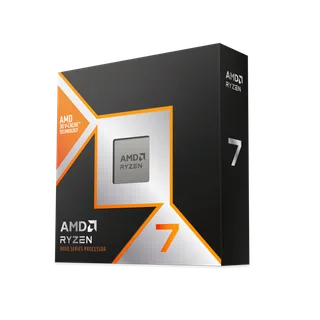
Best value gaming CPU
AMD Ryzen 7 9800X3D
The smart-money gaming chip with the same 96MB V-Cache and gaming feel as the 9850X3D for less money.
Where the 400MHz clock does and doesn't help
The only lever AMD pulled here is boost clock, so it's worth understanding what that buys. In single-threaded work the 9850X3D is about 7% quicker, right in line with the clock bump, which helps a handful of lightly-threaded workflows. In heavily multi-threaded productivity - rendering, compiling, encoding - the two chips finish within 1% of each other. The V-Cache stack limits sustained all-core boost, so the higher clock has nowhere to stretch when every core is pinned. If productivity is your goal, neither X3D chip is the right tool anyway.
The clock also costs you thermally. The 9850X3D pulls around 78W in gaming versus roughly 72W for the 9800X3D, and runs 7-9°C warmer under the same cooler. You do not need a beefier cooler to run it - a solid 240mm AIO or a high-end air tower handles either chip - but a borderline setup on a 120mm AIO or budget air cooler will feel the extra heat and may nudge into throttling under sustained load. That heat is the price of a few percent, and it's the same silicon underneath.
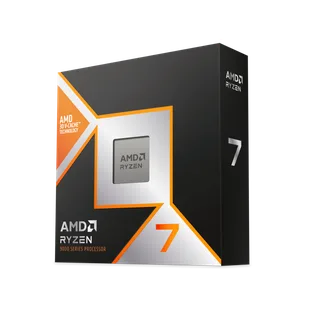
Top gaming performance
Ryzen 7 9850X3D
AMD's current gaming crown holder, with a 400MHz higher boost for a handful of extra frames.
Who each chip is actually for
Sort by intent and the lineup gets simple. The 9800X3D is for almost everyone who just wants to game: it has the full V-Cache stack, runs cooler, and leaves $50 in your pocket for a better GPU or cooler. The 9850X3D is for the new builder chasing every last frame in high-refresh competitive titles, or the benchmark-minded buyer who wants to own the current gaming crown outright. If the price gap genuinely doesn't matter to you, it's a fine chip - just not a meaningfully different one.
The 9950X3D is the odd chip out, and it exists for a specific person: someone who games at a top-tier level and also renders, streams, or compiles. Its 16 cores demolish both 8-core X3D chips in multi-threaded work while keeping V-Cache gaming speed on the primary CCD. The tradeoff is cross-CCD latency that can shave a hair off pure gaming versus the single-CCD 9850X3D, plus a much higher price. If you only game, skipping it saves real money. If your day splits between frames and deadlines, it's the one chip that refuses to compromise on either.
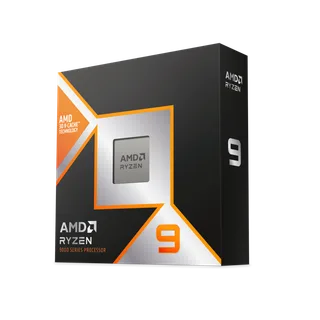
Best for gaming plus productivity
AMD Ryzen 9 9950X3D
The pick if you need 16 cores for rendering or streaming without giving up X3D gaming speed.
Should you upgrade?
Be honest about which camp you're in. If you already own a 9800X3D, do not upgrade. The performance delta is small enough that you'd notice the cost long before you'd notice the frames, and you'd lose money reselling a chip to chase a rounding error. Nothing about the 9850X3D justifies pulling a working CPU out of a working board.
If you're building new and gaming is the whole point, the 9800X3D at ~$450 is still the smart money - same V-Cache, same feel, cash left over for the rest of the build. The 9850X3D only makes sense here if the price gap is genuinely irrelevant to you or you specifically want the current crown. And if you're jumping from Zen 3 or older, the difference between the two X3D chips is rounding error against the size of that upgrade, so buy whichever is in stock at the better price on the day.
The bottom line
The 9850X3D is the new king in name. The 9800X3D is the king in your wallet. That summarizes the entire matchup: a few percent of gaming performance, a bit more heat, and $50 or so in real-world street pricing separate them, and the 3D V-Cache that actually matters is shared between them.
Most people should buy the 9800X3D and never think about it again. The 9850X3D is for new builders who want the crown and don't mind paying for it. The 9950X3D is for the mixed gaming-and-productivity crowd who need 16 cores without surrendering gaming speed. Want to see exactly how any of these pair with your GPU? Run the bottleneck checker for your specific build before you spend a dollar.
Related Reading
- Best CPU for RTX 5070 - full breakdown of CPUs at every price tier
- Best GPU and CPU pairings for 2026 - balanced builds at every budget
- Intel Arrow Lake refresh: dead on arrival - why Intel can't compete with X3D right now
Found this useful? Pass it along:
Frequently Asked Questions
Is the Ryzen 7 9850X3D worth it over the 9800X3D?
For most people, no. The 9850X3D delivers a 3-4% average gaming uplift over the 9800X3D for roughly $20 more. If you already own a 9800X3D, there's zero reason to swap. If you're buying new, it's a fine pick at ~$500 but the 9800X3D at ~$450 is still the better value.
How much faster is the 9850X3D in games?
Across a basket of modern AAA titles at 1440p, the 9850X3D averages 3-4% faster than the 9800X3D. Best case is around 6% in CPU-heavy titles like Marvel Rivals; in many games the difference is under 2%. At 4K the gap shrinks to roughly 0.5% as the GPU becomes the bottleneck.
Does the 9850X3D run hotter than the 9800X3D?
Yes. The 9850X3D runs roughly 7-9°C warmer than the 9800X3D under the same conditions, drawing about 78W vs 72W in gaming. You don't need a different cooler, but if you're running a borderline cooling setup, the 9850X3D will push it harder.
Is the 9850X3D good for productivity work?
It's identical to the 9800X3D in heavily multi-threaded productivity workloads. Single-threaded performance is about 7% better thanks to the higher boost clock. If you're doing video editing, 3D rendering, or compiling code, save your money - the 9800X3D and 9950X3D are better picks depending on workload.
Will the 9850X3D fit in my AM5 motherboard?
Yes - the 9850X3D uses the same AM5 socket as all Zen 4 and Zen 5 chips. Your X670, B650, X870, or B850 motherboard supports it with a BIOS update. AMD has confirmed AM5 will continue receiving CPU support through at least 2027.
9850X3D vs 9950X3D for gaming?
The 9850X3D wins for pure gaming - it has the V-Cache CCD as its only CCD, eliminating cross-CCD latency that affects the 9950X3D in games. The 9950X3D is for people who need 16 cores AND gaming performance. If you only game, save ~$180 and get the 9850X3D.