$2,000 Streaming PC BuildNVIDIA GPU
Complete component list with live prices - updated daily
$2,609
Estimated total
Why This Build
This streaming build pairs the AMD Ryzen 7 9700X with a NVIDIA RTX 5070 Ti for strong streaming performance without frame drops. At this price point, you get DDR5 memory and PCIe 5.0 support, a quality PSU with room to spare, and a case with proper airflow. This is the tier where you stop making compromises on individual components.
Components
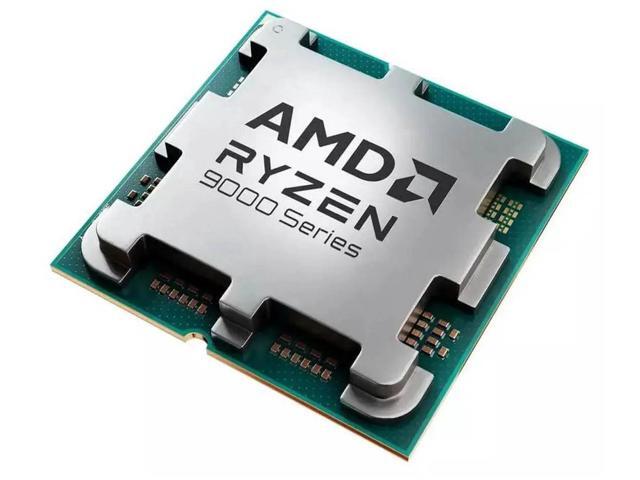
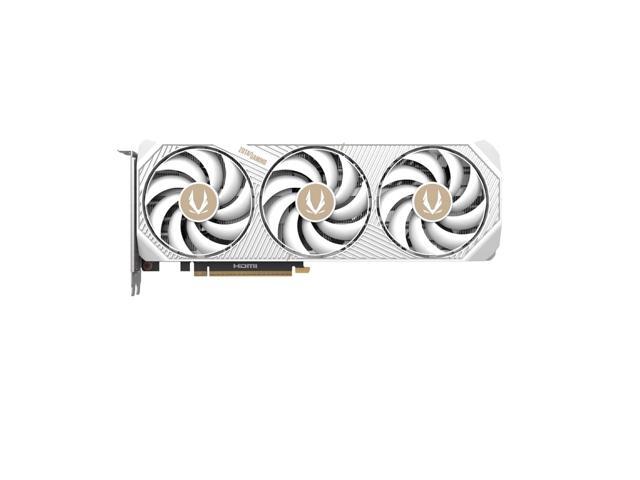
Motherboard
B650 Aorus Elite AX V2Storage
2TB NVMe Gen4 SSDPower Supply
850W 80+ Gold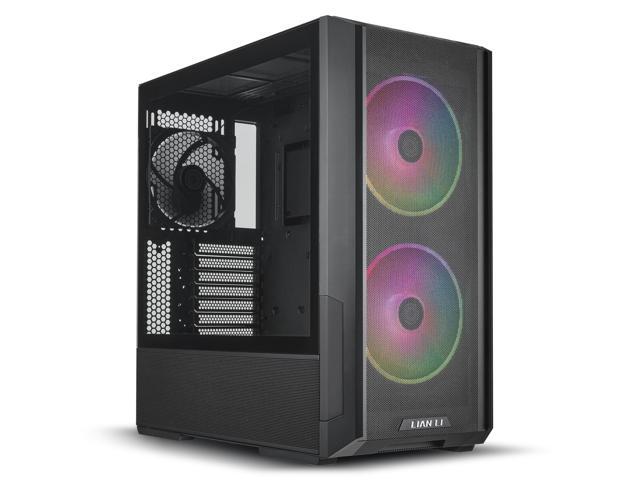
CPU Cooler
Arctic Liquid Freezer III 240Performance Summary
CPU Score
92/100
GPU Score
87/100
Total TDP
365W
Great pairing! The AMD Ryzen 7 9700X and NVIDIA RTX 5070 Ti are well-matched at 1440p (Quad HD). Both components will be utilized efficiently with minimal performance waste. This is an ideal combination for this resolution.
View full bottleneck analysis →Related Builds
Frequently Asked Questions
Why did you pick the AMD Ryzen 7 9700X for this build?
The AMD Ryzen 7 9700X has a gaming score of 92/100 and costs $339. At the $2,000 price point, it provides the best balance of multi-threaded and gaming performance without overspending on the CPU at the expense of the GPU. It pairs well with the NVIDIA RTX 5070 Ti with minimal bottleneck.
Can this build handle 1440p gaming?
Yes. The NVIDIA RTX 5070 Ti (gaming score 87/100) handles 1440p well in most modern titles at high settings. Expect 60+ FPS in demanding AAA games and 100+ FPS in esports titles and older games.
What should I upgrade first on this build?
The GPU is where you will see the biggest gains when upgrading. The AMD Ryzen 7 9700X has plenty of headroom to drive a faster GPU. When GPU prices come down or next-gen cards launch, a GPU swap is the easiest way to boost performance on this build.
Is 850W 80+ Gold enough power for this build?
Yes. The AMD Ryzen 7 9700X (65W TDP) and NVIDIA RTX 5070 Ti (300W TDP) draw approximately 365W combined under load. The 850W 80+ Gold provides comfortable headroom for peak power spikes and ensures stable, efficient operation. We always recommend at least 25% headroom above your system's total draw.