$1,000 Productivity PC BuildIntel GPU
Complete component list with live prices - updated daily
$1,181.7
Estimated total
Why This Build
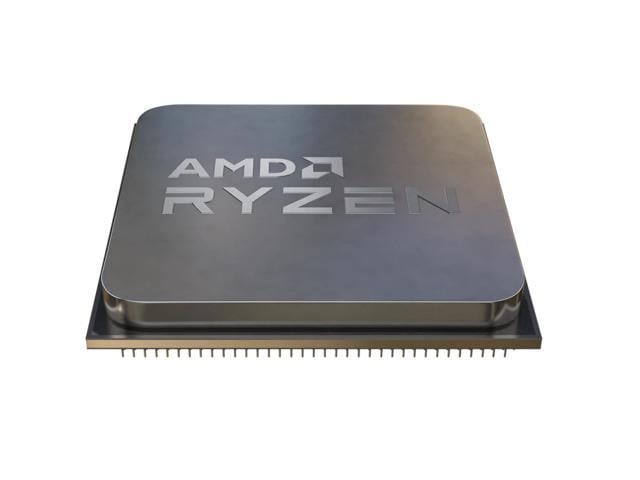
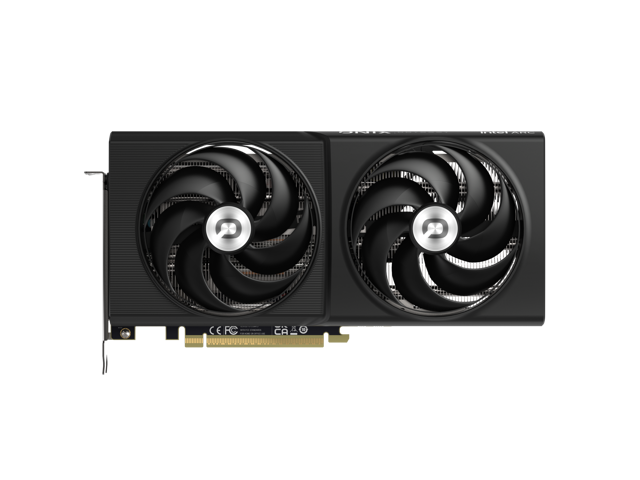
This mid-range productivity build balances performance and price. The AMD Ryzen 5 5600X paired with the Intel Arc B580 handles productivity workloads smoothly without breaking the bank. Building on AM4 keeps the platform cost down so more of your budget goes to the GPU - the component that matters most for frame rates.
Components
Motherboard
B550M Aorus Elite AXStorage
1TB NVMe SSDPower Supply
650W 80+ Gold
CPU Cooler
Thermalright Peerless AssassinPerformance Summary
CPU Score
75/100
GPU Score
50/100
Total TDP
255W
At 1440p (Quad HD), the Intel Arc B580 will hold back the AMD Ryzen 5 5600X by roughly 19-26% depending on the game. At 1440p the GPU carries most of the workload, and your graphics card is the limiting factor. Upgrading your GPU would provide the biggest performance improvement at this resolution.
View full bottleneck analysis →Related Builds
Frequently Asked Questions
Why did you pick the AMD Ryzen 5 5600X for this build?
The AMD Ryzen 5 5600X has a gaming score of 75/100 and costs $111.7. At the $1,000 price point, it provides the best balance of multi-threaded and gaming performance without overspending on the CPU at the expense of the GPU. It is a strong match for the Intel Arc B580 at this budget.
Can this build handle 1440p gaming?
This build is optimized for 1080p gaming. At 1440p you will need to lower settings significantly. For consistent 1440p performance, consider stepping up to a higher budget tier.
What should I upgrade first on this build?
The GPU is where you will see the biggest gains when upgrading. The AMD Ryzen 5 5600X has plenty of headroom to drive a faster GPU. When GPU prices come down or next-gen cards launch, a GPU swap is the easiest way to boost performance on this build.
Is 650W 80+ Gold enough power for this build?
Yes. The AMD Ryzen 5 5600X (65W TDP) and Intel Arc B580 (190W TDP) draw approximately 255W combined under load. The 650W 80+ Gold provides comfortable headroom for peak power spikes and ensures stable, efficient operation. We always recommend at least 25% headroom above your system's total draw.